



At Miss Mae’s Safe Haven Homes, we provide safe, structured, and nurturing Community Integrated Living Arrangements (CILA) for adults with developmental disabilities.
At Miss Mae’s Safe Haven Homes, we are dedicated to creating a safe, structured, and nurturing environment for adults with developmental disabilities living in Community Integrated Living Arrangements (CILA). Our approach is rooted in dignity, respect, and person-centered care, ensuring every resident receives the individualized support they need to grow and thrive.
We provide person-centered services that promote independence, safety, and overall well-being within a supportive CILA environment.
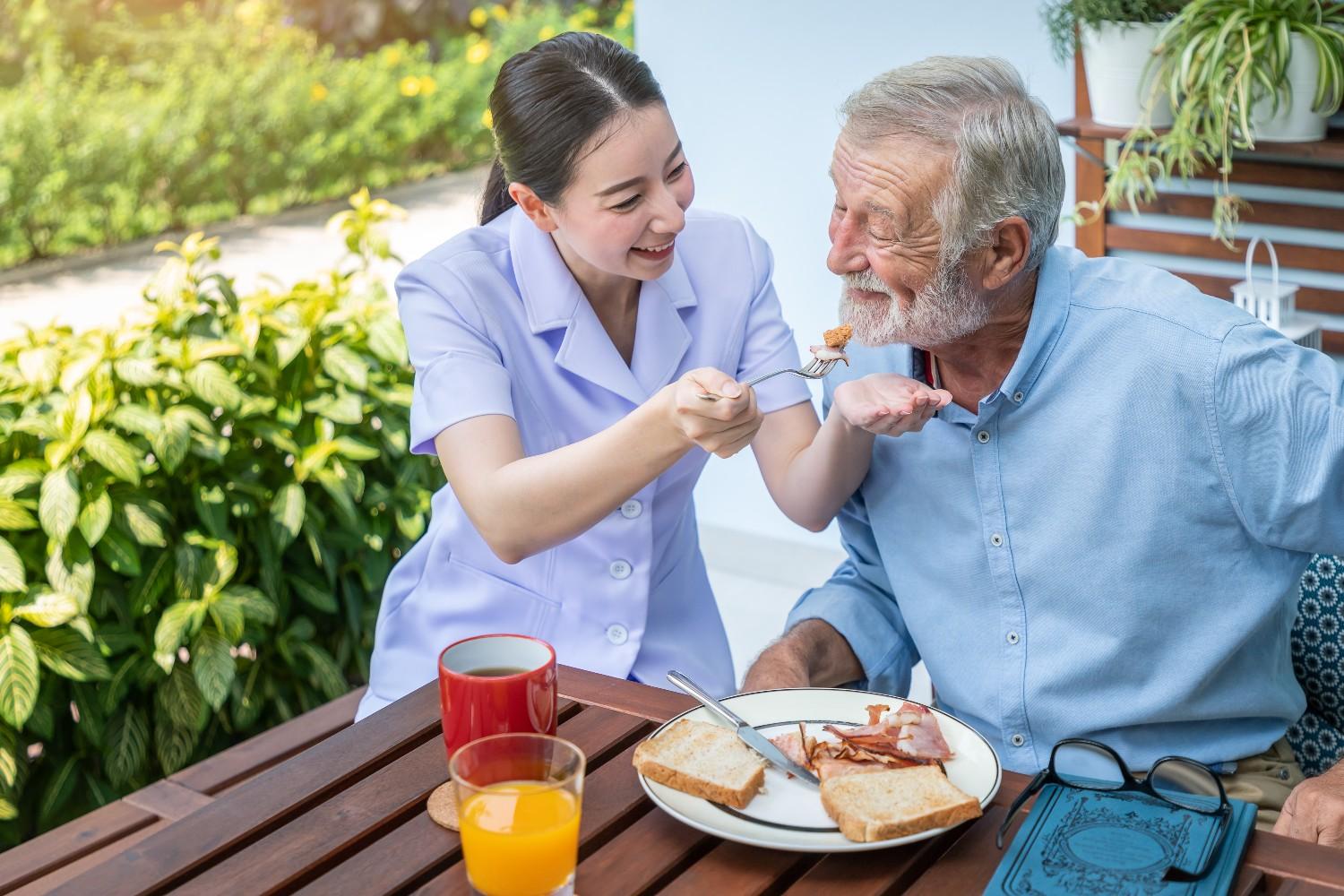
Safe, structured housing with 24/7 supervision and personalized daily living assistance.
Coordinated medical care and medication support to ensure health and stability.
Hands-on training in daily living, hygiene, cooking, finincial budgeting, and independence.
Opportunities for social engagement, employment support, and community participation.
Individualized strategies and counseling to promote emotional well-being and stability.
Customized support plans that honor each resident’s goals, choices, and rights.
Our commitment to safety, dignity, and individualized care ensures that every resident receives the attention, compassion, and structured guidance they deserve. We create an environment where independence is encouraged, voices are heard, and every individual is treated with respect and understanding.
Every care plan is tailored to individual goals, preferences, and evolving needs.
Dedicated, trained staff provide round-the-clock supervision and assistance in a safe, nurturing environment.
A CILA (Community Integrated Living Arrangement) home is a residential program that supports adults with developmental disabilities in living as independently as possible within a safe, community-based setting.
Individuals aged 18 and older with developmental or intellectual disabilities who require assistance with daily living activities may qualify, based on assessment through state agencies or case managers.
Residents receive 24/7 supervision and assistance, including help with daily living skills, medication management, transportation, and community integration activities tailored to individual needs.
While medical services are not typically provided on-site, staff assist with medication management, coordinate medical appointments, and ensure residents receive necessary healthcare services.